
Top-rated independent heating and cooling across Orange County and Southern California
HVAC Maintenance — Book a Visit Today
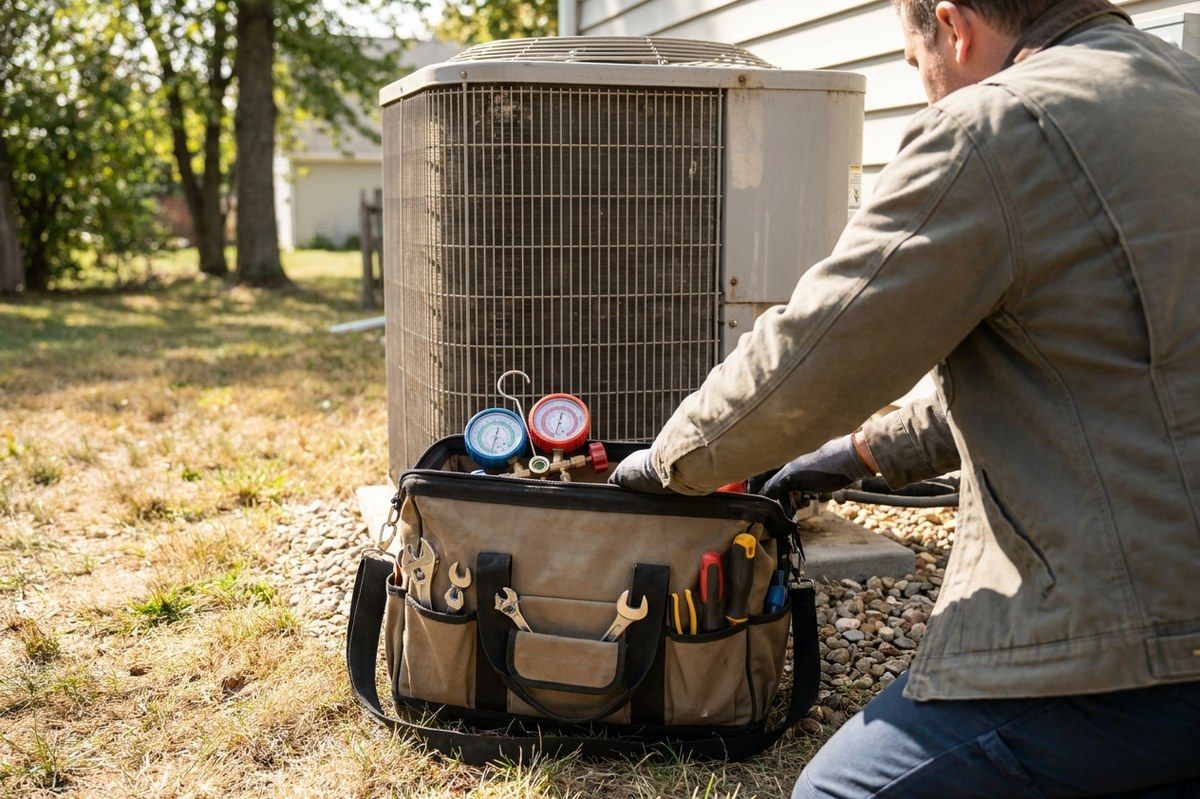
We service and tune heating and cooling systems across Arizona, California and Nevada, and a maintenance visit is how most of our customers avoid an emergency AC repair in August. What fails is rarely dramatic: a filter loaded up until airflow dropped, a condensate drain plugged with slime, a contactor with pitted points, a blower wheel coated in dust, a capacitor drifting out of range. On a visit we check refrigerant performance, temperature split, amp draw on the motors, safety controls, drain flow and the condition of the coils, then tell you plainly what is fine and what is wearing. Book cooling work before the first inland heat run and heating work in the fall. Call us and we will get you on the schedule.
Call (888) 414-3292- Real people on the phone
- 7 days a week
- Quote in writing before any work
Taking calls until 5:00 PM PT
The HVAC maintenance symptoms we hear most
- It cools fine in the morning and quits by mid-afternoon Dirty condenser coil, low refrigerant charge or a weak capacitor that fails under peak heat load
- Some rooms never catch up, especially upstairs Airflow and duct problems, undersized or blocked returns, loaded filter
- Water on the floor or a ceiling stain under the air handler Plugged condensate drain, rusted pan or a float switch that never got tested
- The outdoor unit is louder than it used to be Fan motor bearings, loose hardware or debris packed against the coil
- The furnace short cycles or smells dusty every fall Restricted airflow, dirty burners and heat exchanger surfaces, sensor or limit switch acting up
Search for it as HVAC maintenance or an AC tune-up and you land in the same place: one visit, one written quote.
Safe things to check first
Worth a look before you call — sometimes it saves you the visit.
- 1Check the thermostat: fresh batteries, set to COOL or HEAT, fan on AUTO, and a setpoint several degrees past room temperature.
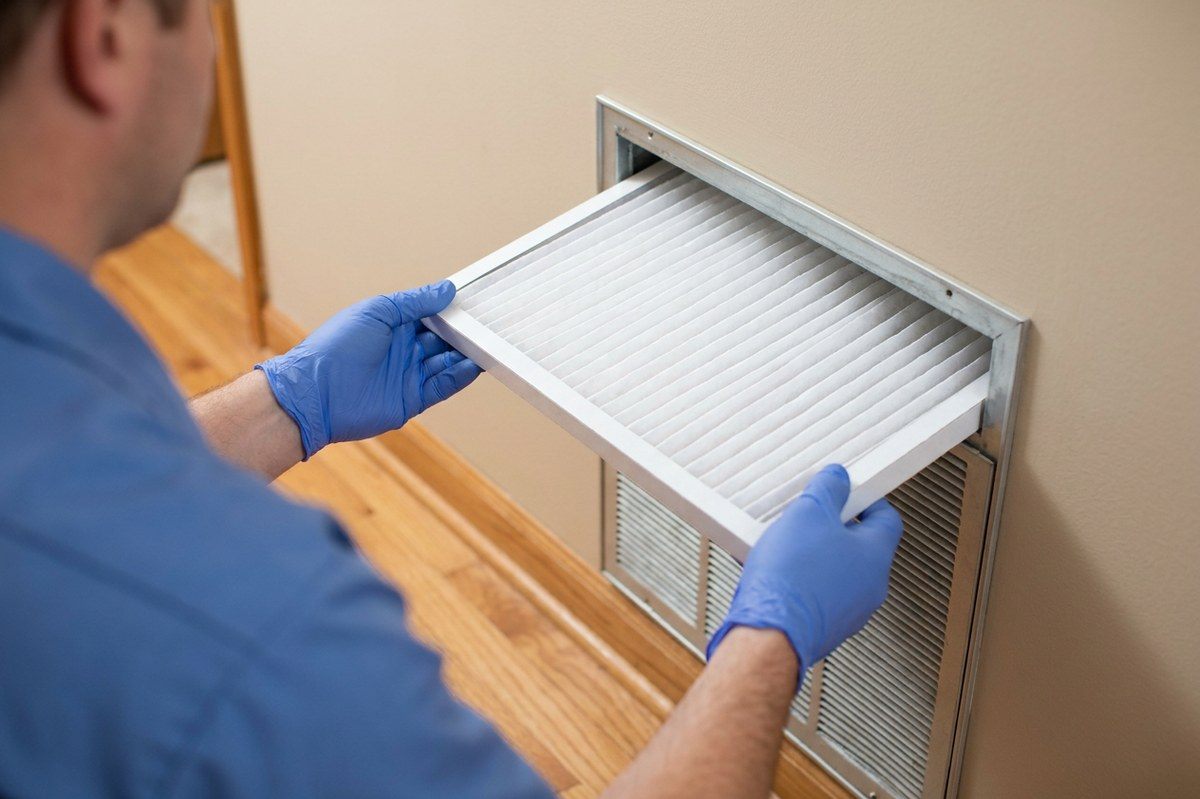
- 2Pull the filter and look at it in daylight. If light does not pass through, replace it with the same size and try again.
- 3Check the breaker panel for a tripped breaker on the air handler or outdoor unit. If it trips again after one reset, stop and call us.
- 4Clear leaves, cuttings and stored items back from the outdoor unit, and walk the house confirming supply and return vents are open and not blocked by furniture.
What homeowners get from an independent HVAC company
| Price Air HVAC | Big-box repair chains | Handyman listings | |
|---|---|---|---|
| Quote in writing before a wrench comes out | ✓ | ✕ | ✕ |
| Phones answered by people, every day | ✓ | ✕ | ✓ |
| Gas and electric, all major brands | ✓ | ✓ | ✕ |
| No manufacturer targets to hit | ✓ | ✕ | ✓ |
| Crews familiar with homes like yours | ✓ | ✕ | ✓ |
The same on every visit
Written quote before any work
Covering 148 cities across Arizona, California, Nevada.A real person answers
Open 7 days, 8:00 AM to 5:00 PM PT.Independent of every manufacturer
Carrier, Trane, Lennox, Goodman and more. We are not an authorized dealer for any of them.HVAC Maintenance — quick answers
How often should HVAC maintenance be done?
Twice a year suits most homes in our region: cooling in spring before the inland heat arrives, heating in fall. If you run a heat pump year round, or live where dust and pollen load filters fast, twice a year is closer to a minimum than a maximum.
What is included in an AC tune-up?
We check the temperature split, refrigerant performance, amp draw on the compressor and fan motors, capacitor readings, contactor condition, condensate drain and float switch, coil cleanliness and the filter. You get a plain list of what tested fine and what is wearing.
Does a furnace tune-up cover safety?
Yes. We inspect burners, the flame sensor, limits and pressure switches, venting and the heat exchanger surfaces we can see, plus blower condition and airflow. If we find anything suggesting combustion or venting trouble, we tell you before we leave.
I smell gas near my furnace. What should I do?
Leave the building right away, take everyone with you, and from outside call 911 or your gas utility. Do not flip switches or use the thermostat. Once the gas side is cleared and safe, call us and we will inspect the heating system.
Will maintenance stop my system from breaking down?
No visit can promise that, but most failures we chase in summer started as a dirty coil, a plugged drain or a capacitor drifting out of range. Catching those in spring is far easier than an air conditioning repair during the first heat run.
Can I just change the filter myself and skip the visit?
Filter changes help a lot and we encourage them. They do not cover refrigerant performance, electrical readings, drain flow or combustion checks. Think of the filter as your monthly job and the tune-up as the part that needs gauges and meters.
How it works
- Step 1
Tell us the symptom
Call or fill in the quote form with what you notice. Warm air, no air, short cycling, a smell, a noise. Details like when it started help us bring the right parts on the first visit.
- Step 2
We diagnose on site
A technician checks the thermostat, the electrical side, refrigerant performance, airflow and the return sizing. We test rather than guess, then explain what failed and why in plain language before any work starts.
- Step 3
Repair and verify
We make the repair, then measure temperatures and airflow at the vents to confirm the system holds. If a duct or return is starving the equipment, we tell you what it would take to fix it.
- A real person answers
- Open 7 days
- Written quote before work starts
Why homeowners call us
- We know stucco tract homesMuch of the housing we service was built fast with returns too small for the tonnage installed. That single duct in the hallway explains a lot of weak airflow complaints, and we look at it before we sell you equipment.
- Marine mornings, inland afternoonsCoastal condos fight humidity and salt air, while inland homes run long afternoon cycles in triple digits. Same system, different failure patterns. We set expectations for the climate your house actually sits in.
- Diagnosis you can followYou get told which part failed, what it does and what happens if it waits. No hurry, no scare talk. If the honest answer is that the system has a few seasons left, we say that.
- Repair before replacementMost calls end in a repair, not a new system. We quote replacement only when a repair will not hold or the cost stops making sense, and we explain the reasoning either way.
- All major brands, gas & electricFrom Carrier and Trane to Lennox, Goodman, Rheem and Bryant, serviced independently.
- Straight answersWhen a replacement beats a repair, we tell you, sometimes before we roll a truck.
HVAC Maintenance
Small faults become big ones on a schedule of their own
Describe the symptoms and we'll book the visit — takes about a minute.
- A real person answers
- Open 7 days
- Written quotes
- All major brands
- Gas & electric
Rather not call? Get a free quote →